
TLDR
Teeth can shift after braces, especially if retainers aren’t worn consistently. The key to keeping your smile straight isn’t more treatment — it’s long-term retention. Following Dr. Jared’s retainer instructions and attending regular checkups at Raceway Orthodontics protects the results you worked hard to achieve.
Table of Contents
- Do Teeth Move?
- Relapse of Alignment
- Why Does It Happen?
- How Can You Stop the Shift?
- Conclusion
- Key Takeaways
- Sources
You’ve invested months, maybe even years, into your braces treatment. So the last thing you want to see is teeth slowly shifting out of place. A lot of our patients in Concord, NC, quietly wonder: Can teeth get crooked again after braces?
The honest answer is yes, but it’s preventable. Dr. Jared at Raceway Orthodontics explains why teeth move, what orthodontic relapse really means, and how you can protect your smile for years to come.
Do Teeth Move?
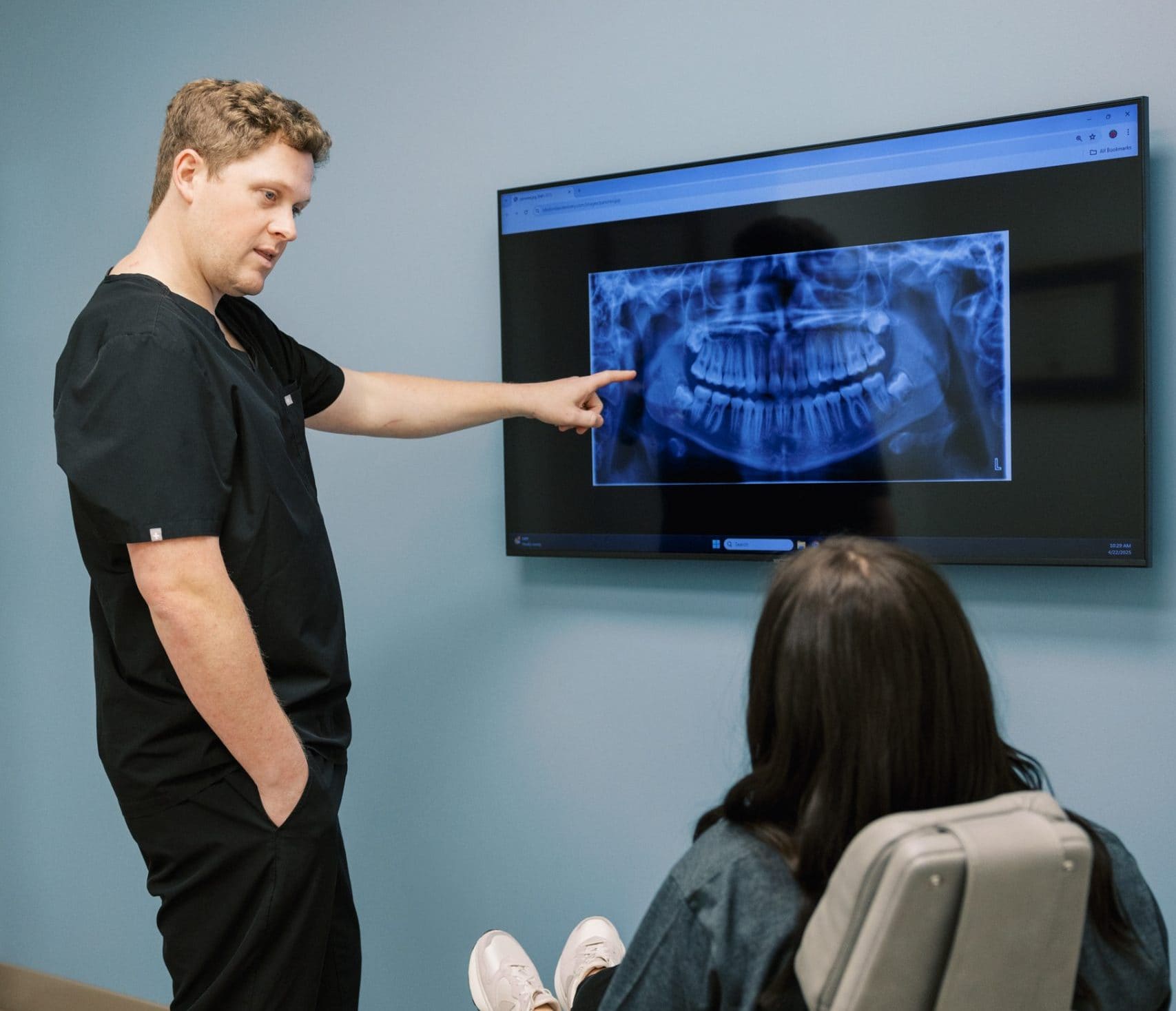
Teeth are not cemented into your jawbone like fence posts. They are supported by tiny elastic fibers called periodontal ligaments, which connect each tooth to the surrounding bone and respond to pressure over time.
These ligaments allow orthodontic treatment to work. Braces apply pressure, which reshapes bone and guides teeth into better alignment. But after braces are removed, those same living tissues can gradually pull teeth back if they aren’t properly stabilized with retainers.
What Is an Orthodontic Relapse?
Orthodontic relapse is the medical term for teeth drifting back after braces if retention protocols aren’t followed. In simple terms, your teeth often “remember” where they used to sit. Relapse can happen quickly in the first few months after braces removal and occur gradually over several years.
Relapse of Alignment
Even when braces treatment goes well, your body needs time to adjust. If you stop wearing retainers too early, teeth can shift before the bone fully supports them.
How Does Ligament Memory Work?
The ligaments around your teeth have “memory,” meaning elastic fibers can pull teeth toward their old positions. This pull is strongest during the first year after braces. Although it weakens over time, it never fully disappears, which is why lifelong retainer wear matters.
Why Does It Happen?
Teeth shift for several reasons, even when braces treatment was successful. Some are within your control, while others are simply part of life. Here are reasons why your teeth can get crooked after braces.
Is Age a Factor?
As we age, teeth naturally move forward, a process called physiological drift. Even adults who never had braces may notice mild crowding over time. Jaw structure and bite forces gradually change, which can affect alignment. In short, shifting teeth is a normal part of aging.
What Happens When a Retainer is Neglected?
The most common reason teeth shift after braces is not wearing retainers as directed. Retainers keep teeth stable while the bone adjusts. When patients stop too soon, teeth slowly move. The first warning sign is a tight retainer.
How Can You Stop the Shift?
The good news is that most post-brace movements can be prevented. You do not need complicated treatment plans, only these three steps.
When Should You Wear Your Retainers?
To keep your teeth straight for as long as you want, always wear your retainers. Most orthodontists advise wearing retainers full-time immediately after braces removal, then transitioning to nighttime wear long-term. If your retainer feels tight after skipping nights, your teeth are shifting—put it back in and stay consistent.
What’s the Difference Between Fixed and Removable Retainers?
There isn’t a one-size-fits-all solution when it comes to retention. Fixed retainers are thin wires bonded behind the front teeth and help prevent lower crowding. Removable options include traditional designs or clear trays. To lock in your results, use permanent wires or clear trays.
Why Are Regular Checkups Important?
If a retainer breaks or feels tight, don’t ignore it. Even minor shifting can progress quickly in the first year after braces. Contact Raceway Orthodontics promptly so we can correct small issues before they become larger ones.
Conclusion
Finishing braces is a milestone, but maintaining your results is a lifeline commitment. To reduce the risk of relapse, wear your retainers consistently and attend regular checkups at our orthodontics’ office in Concord. If you have questions about shifting teeth or need a new retainer, contact us right away. Your braces provide the results; your retainer provides the insurance.
Key Takeaways
- Teeth can shift after braces because they are supported by living ligaments and bone.
- Orthodontic relapse is common without consistent use of a retainer.
- Wearing retainers as directed helps maintain alignment long-term.
- Raceway Orthodontics in Concord, NC, led by Dr. Jared, provides continued support to protect your results after treatment ends.
Sources
- https://racewayortho.com/
- https://racewayortho.com/our-practice/meet-our-team/dr-jared-little/
- https://pubmed.ncbi.nlm.nih.gov/28635007/
- https://johs.com.sa/pages/issue/abstract/302/Orthodontic-Relapse:-Causes,-Prevention,-and-Management-Strategies
- https://racewayortho.com/braces-concord-nc/
- https://my.clevelandclinic.org/health/treatments/10899-teeth-retainer
- https://aaoinfo.org/whats-trending/what-are-dental-retainers/
- https://www.jco-online.com/archive/1975/12/749/
- https://racewayortho.com/contact-us/